
Hand-dipped. One at a time. Every time.
What year were you born?
-196 encourages responsible drinking. Alcohol should be consumed in moderation. By entering this website, you are agreeing to our Terms and Conditions, Privacy Policy, and Cookie Policy.
Must be legal drinking age to enter this site.
A Guide to Japan During Summer: Festivals, Fireworks, Food & Ready-to-Drink Culture

Fireworks. Festivals. Flowing somen. Long summer nights. Discover what makes Japanese summer hit different—and why Japanese-born -196 feels right at home.
Japanese Summer Is a Whole Mood
Summer in Japan doesn't exactly arrive quietly.
The days get hotter. The cicadas get louder. And suddenly, during Japan's summer months, some of Japan's most iconic traditions start showing up everywhere.
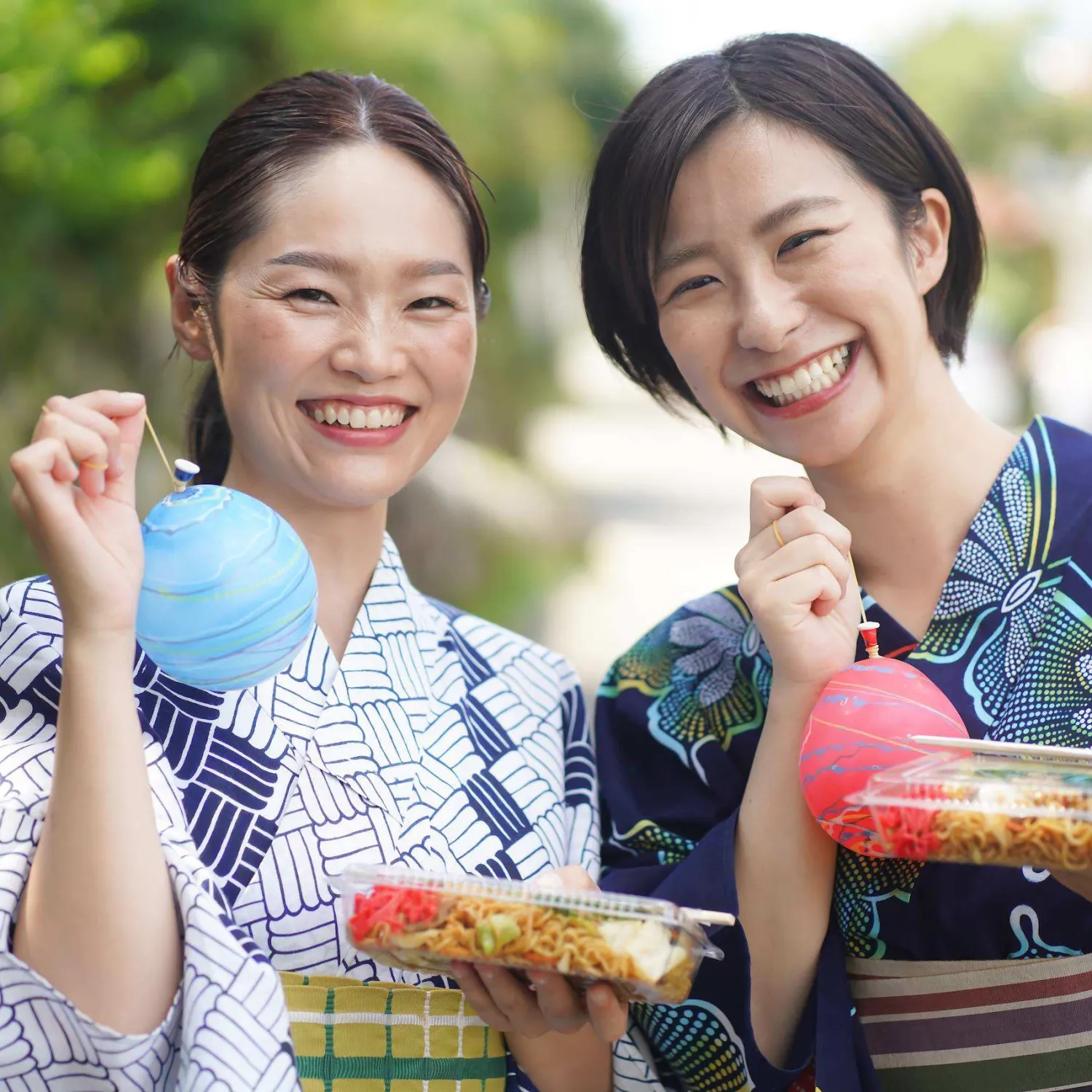
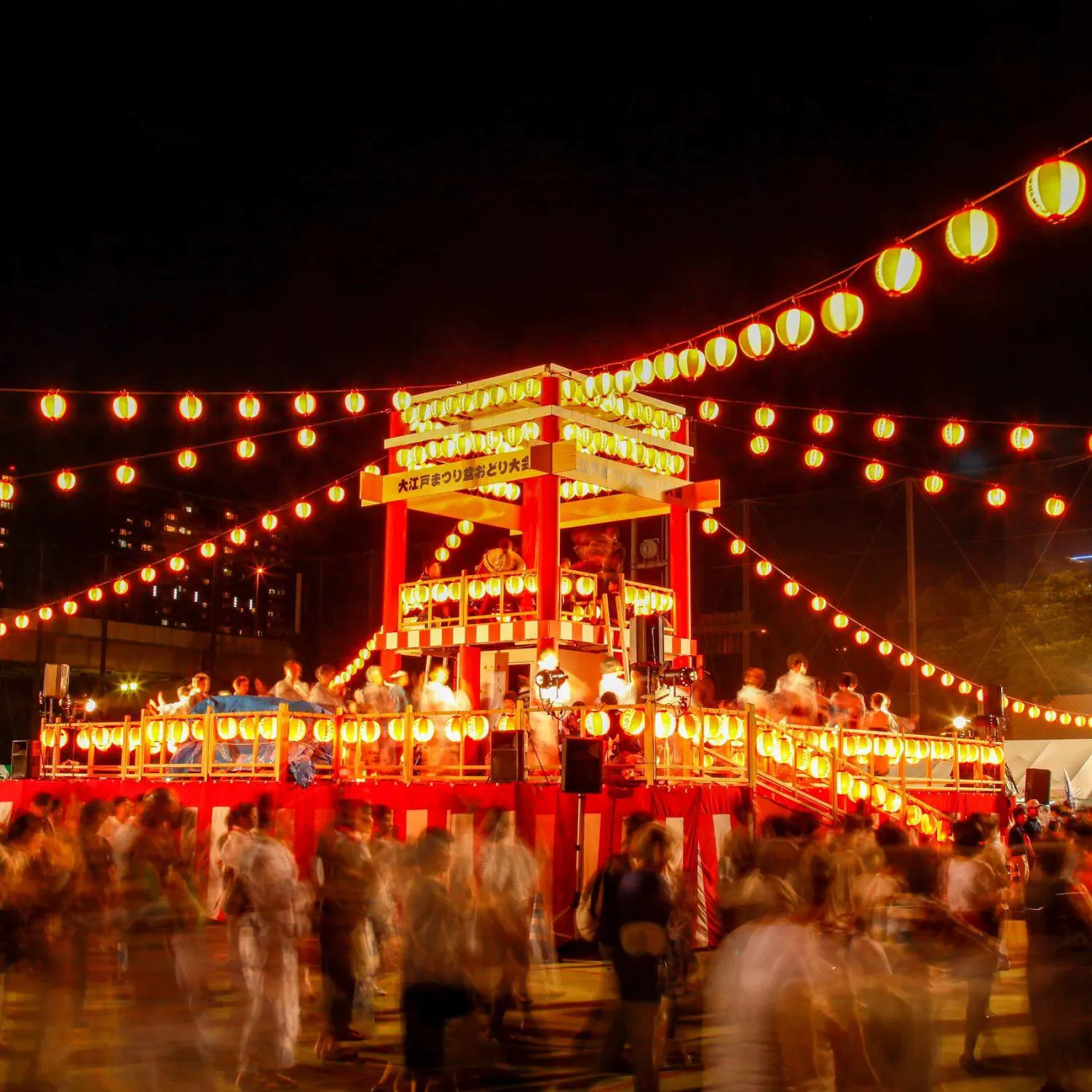
Yukata. Paper lanterns. Festival food. Bon odori. Fireworks lighting up the night sky.
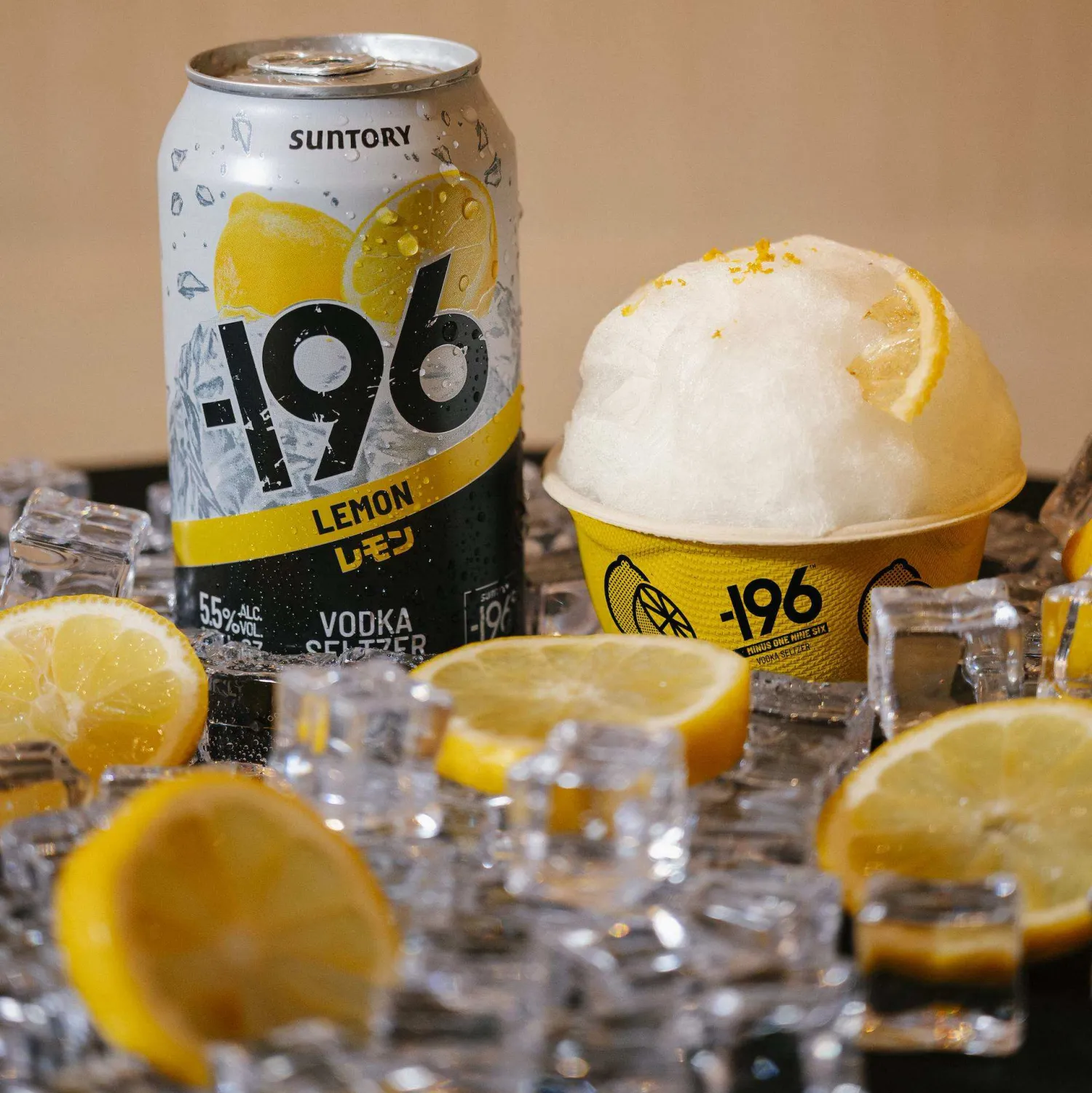
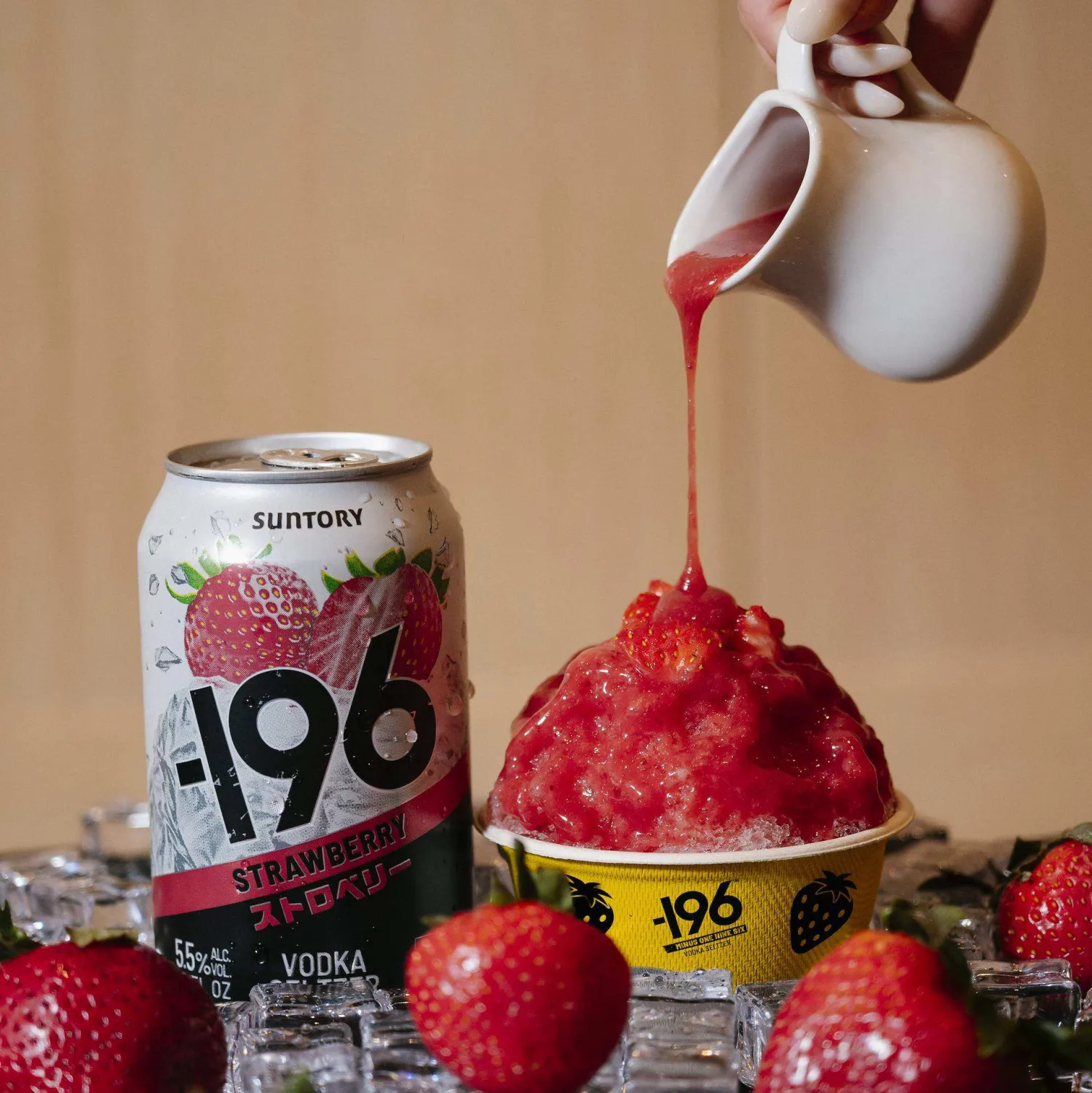
Even the food changes with the season—from bowls of icy kakigori to chilled noodles made for the hottest days of the year.
Basically, summer in Japan is a lot. In the best possible way.
And while these traditions may look completely different from one another, they have something in common.
They're less about watching summer happen and more about doing something with it.
You go to matsuri (Japanese summer festivals).
You dance at bon odori.
You gather with friends to watch fireworks.
You find ways to eat, drink and spend time together—even when the humidity has other plans.
That's what makes Japanese summer feel like more than just a season.
It's a whole collection of rituals built around making the most of it.
And some of those rituals have been around a lot longer than you might think.

Fireworks Are Kind of a Big Deal in Japan
In the U.S., fireworks usually have one date circled on the calendar: the Fourth of July.
In Japan during summer, they get a whole season.
And we're not talking about a handful of shows.
One of Japan's largest fireworks guides tracks around 900 fireworks festivals across the country, with some of the biggest events launching 20,000 fireworks or more in a single show *1. One 2026 Japanese summer festival is expected to reach around 30,000.
Yeah. Japan takes fireworks pretty seriously.
Summer brings hanabi taikai—large-scale fireworks festivals held in cities and towns across the country. Crowds gather along rivers, waterfronts and parks, often in yukata, with festival food in hand, to watch the night sky do its thing.
But here's where Japanese fireworks get interesting.
They don't always have to be big.
There's another side to hanabi that's much smaller—and much more personal.
Friends and families gather outside with handheld fireworks, sometimes ending the night with senko hanabi: tiny sparklers that burn quietly, forming a delicate ball of fire before it finally drops.
30,000 fireworks over a river.
One tiny spark between your fingers.

Very different scale. Same summer ritual.
Maybe that's part of what makes fireworks feel so tied to summer in Japan.
They're not just something you watch.
They're something you make a night around.
Matsuri: Where Summer Gets Loud
If fireworks are something you make a night around, matsuri are where the whole neighborhood seems to join in.
And there are a lot of them.
One major Japanese event guide lists 289 summer festivals with food stalls across Japan in 2026 alone. *2
And that's just one slice of the Japanese summer festival scene. Bon odori, Tanabata festivals and other local summer celebrations add even more to the calendar.
Basically, Japan keeps summer pretty busy.
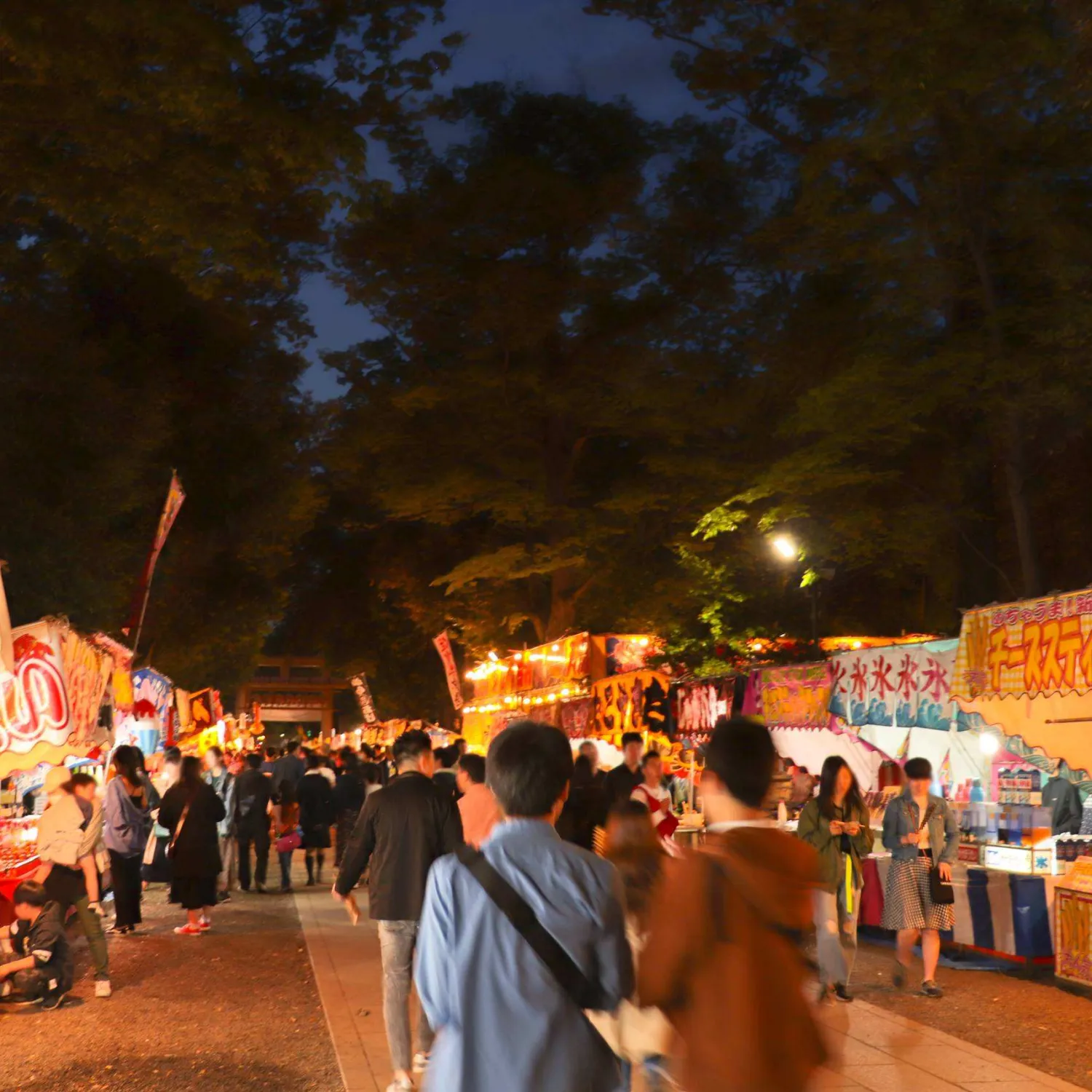
Matsuri can range from small neighborhood celebrations to huge events that fill entire streets. And there's usually a lot going on.
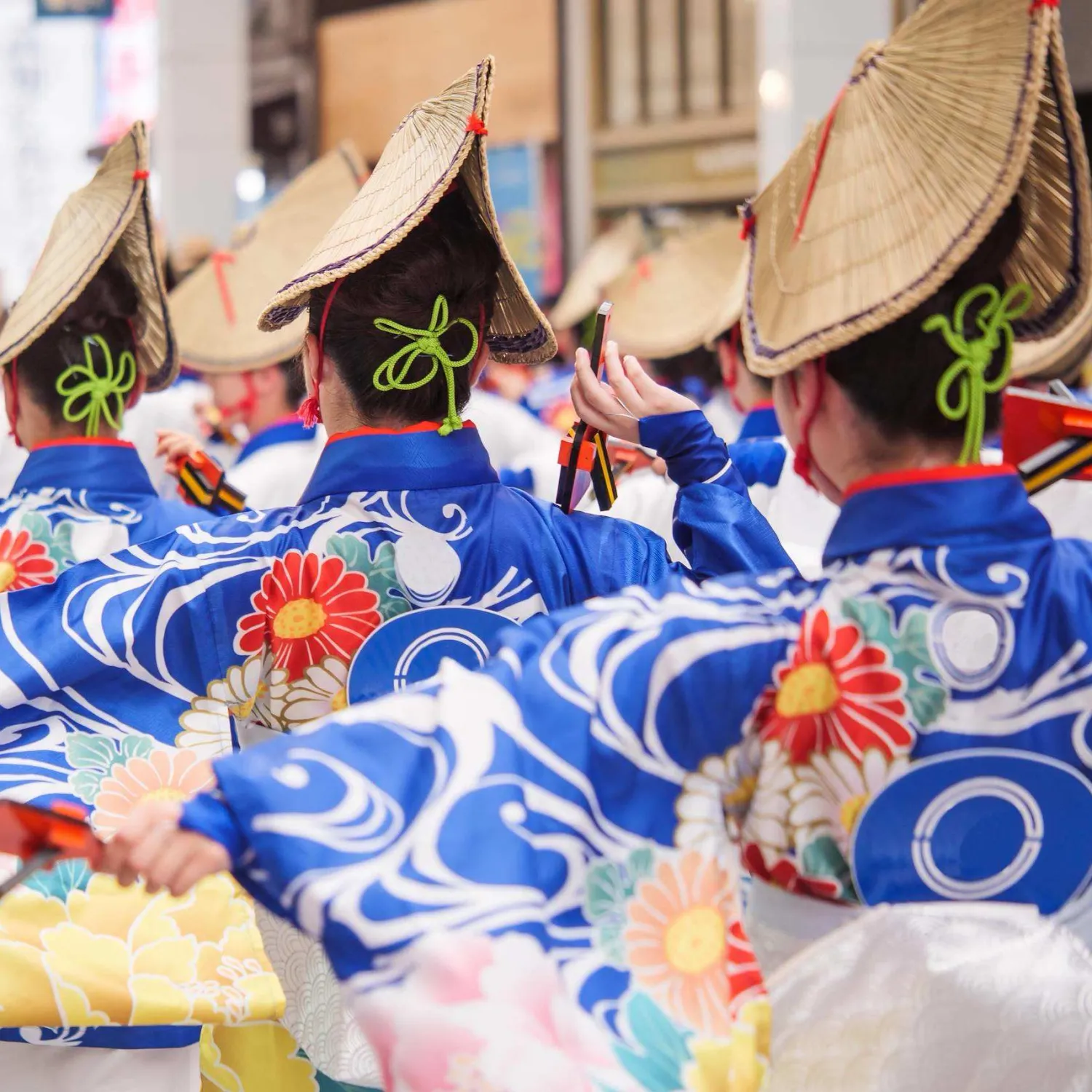
Lanterns overhead. People in yukata. Festival games. Music. Dancing. Food stalls sending the smell of something grilled into the crowd.
Japanese summer doesn't really do subtle.
Then there's the food.
Yakitori. Karaage. Yakisoba. Takoyaki. Kakigori.
Part of the fun is wandering from stall to stall, grabbing whatever looks good and eating as you go.
And at some festivals, you'll also come across bon odori—traditional dances where people gather and move together to music.
You don't necessarily need to know all the steps.
Show up. Follow along. Be part of it.
Matsuri can look very different depending on where you are in Japan, but they tend to have a few things in common:
Friends. Food. Music. A reason to stay out a little longer.
Different country.
Pretty universal summer energy.

Wait, Did You Say Flowing Noodles?
Yes. Flowing noodles.
Meet nagashi somen, one of Japan's more unexpected ways to make a summer meal a lot more fun.
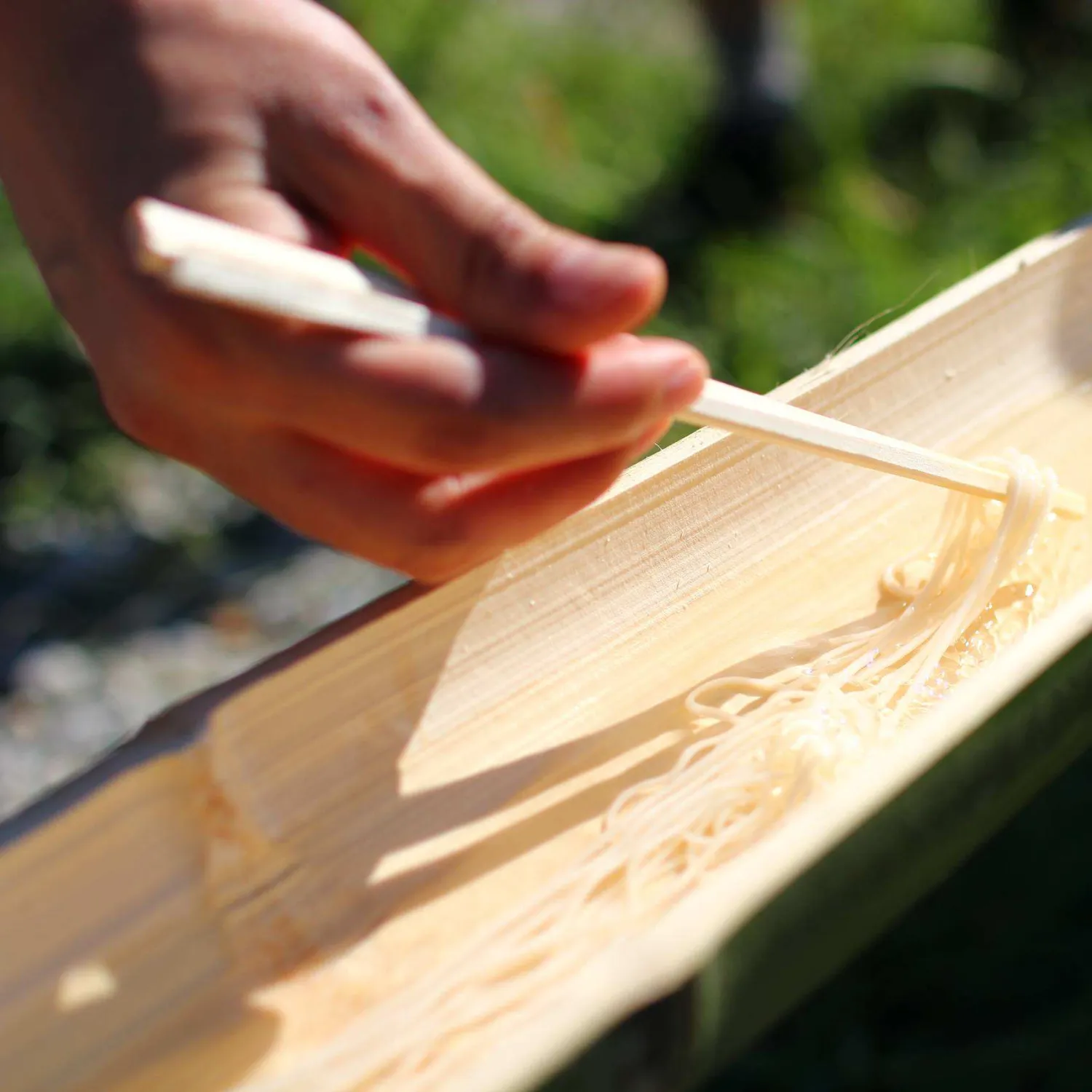
Somen are thin wheat noodles often served chilled during Japan's hot summer months. But nagashi somen takes things a little further.
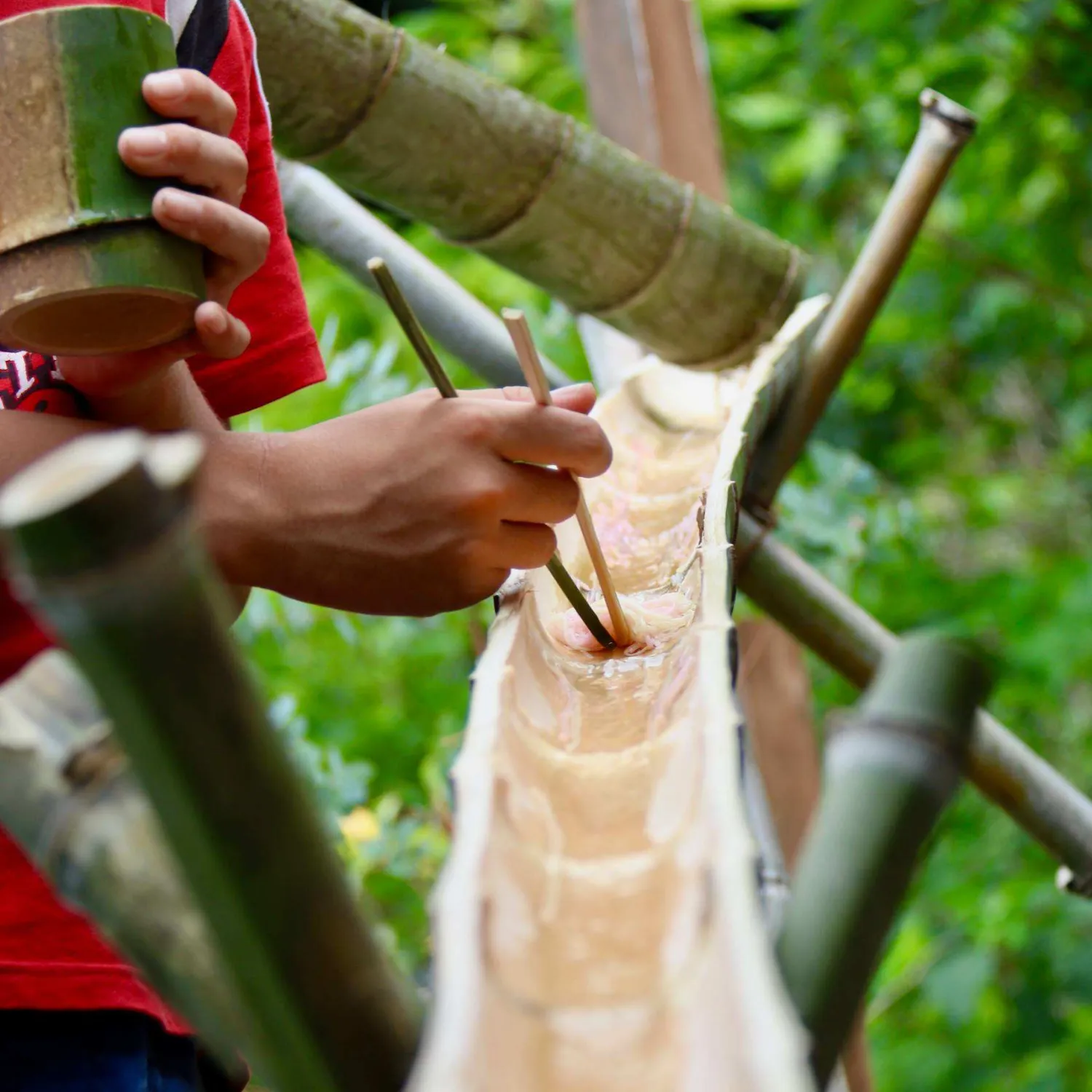
The noodles are sent sliding down a long piece of bamboo with flowing cold water.
Your job?
Catch them with chopsticks before they get away.
Once you've successfully intercepted your lunch, dip the noodles into a chilled sauce and eat.
Then get ready for the next batch.
It's part meal, part activity, and—depending on your chopstick skills—maybe a little competitive.
And underneath all the fun is a pretty simple idea: finding a way to turn an ordinary summer meal into something worth gathering around.
Cold noodles could have just been cold noodles.
Japan gave them a bamboo waterslide.
And honestly, that feels very on-brand for Japanese summer.
So, What Does -196 Have to Do With Japanese Summer?
Fireworks that turn an ordinary night into an event.
Festivals that take over entire streets.
Cold noodles sent flying down a bamboo waterslide.
Japanese summer has a habit of making everyday things a little more interesting.
Sound familiar?
Meet Minus -196, a Japanese-inspired ready-to-drink brand built around an idea that's pretty unconventional in its own right.
Instead of starting with just fruit juice or flavoring, -196 starts with whole fruit.
The fruit is frozen at -196°C, crushed while frozen, then infused to help bring its character into a ready-to-drink beverage.
It's called Freeze Crush Infusion Technology.
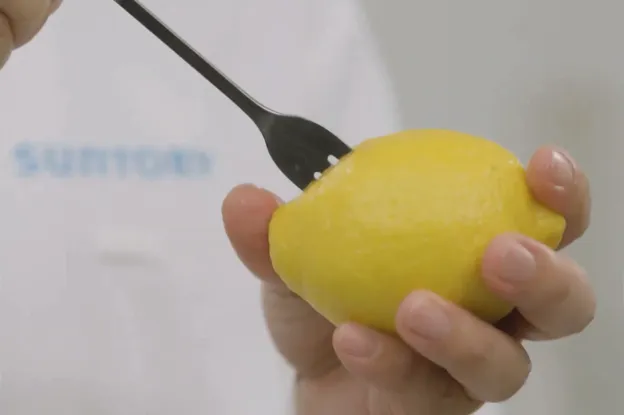
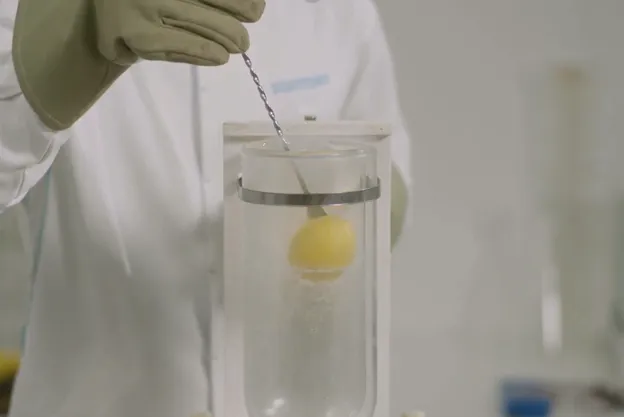
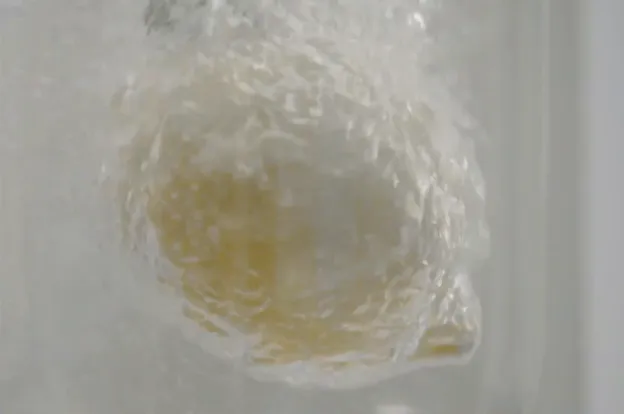
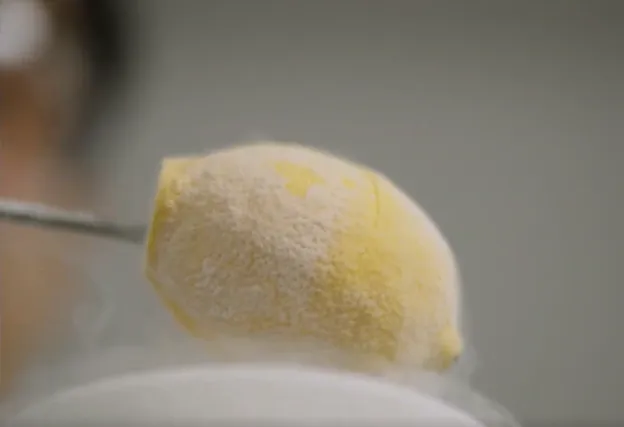
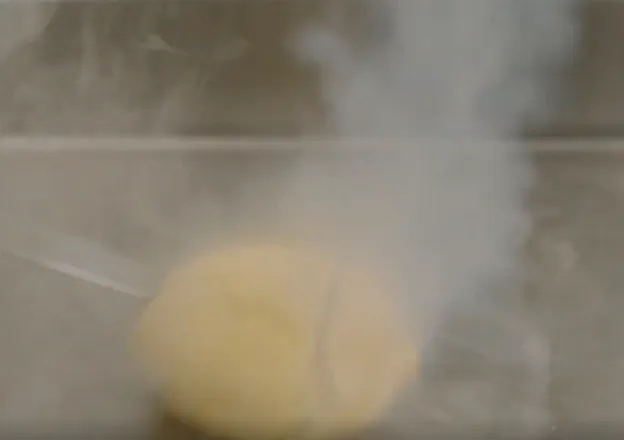
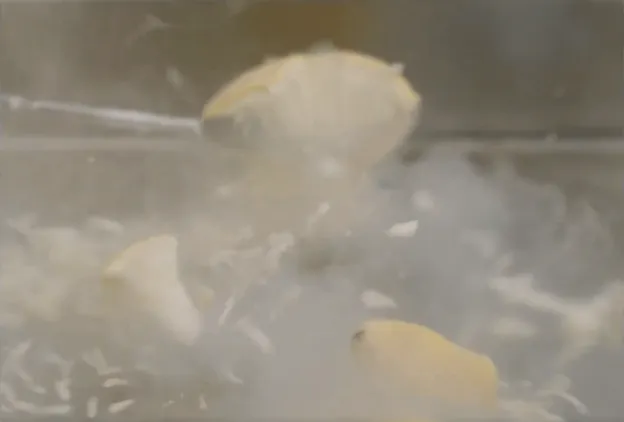


Yes, we really freeze fruit at -196°C.
We told you Japanese summer wasn't big on doing things the boring way.
And maybe that's why -196 feels so at home in this story.
Because the connection isn't just that both come from Japan.
It's the mindset.
Take something familiar.
Look at it differently.
Make the experience a little more unexpected.
Japanese summer does it with fireworks, festivals and even noodles.
-196 does it with fruit.
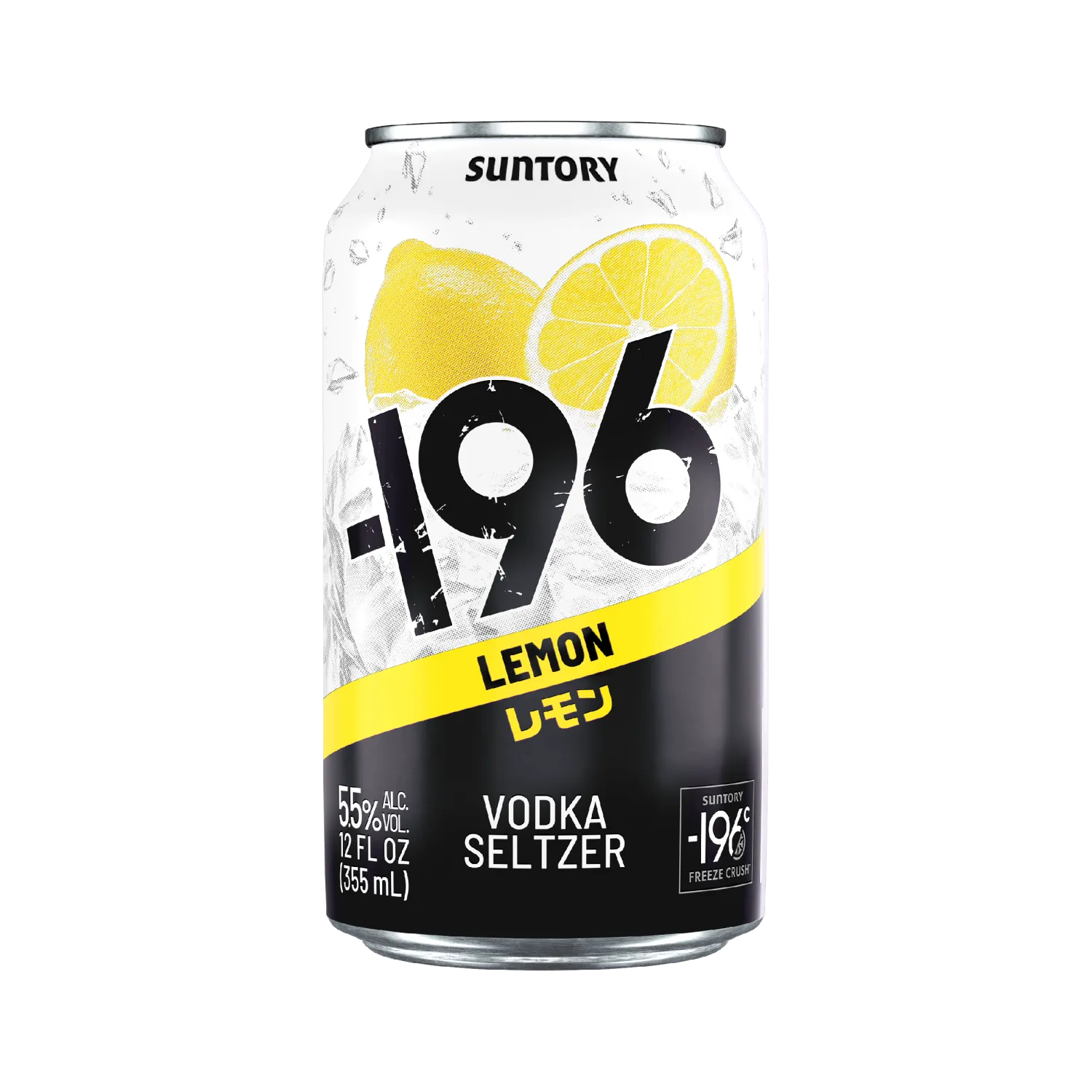
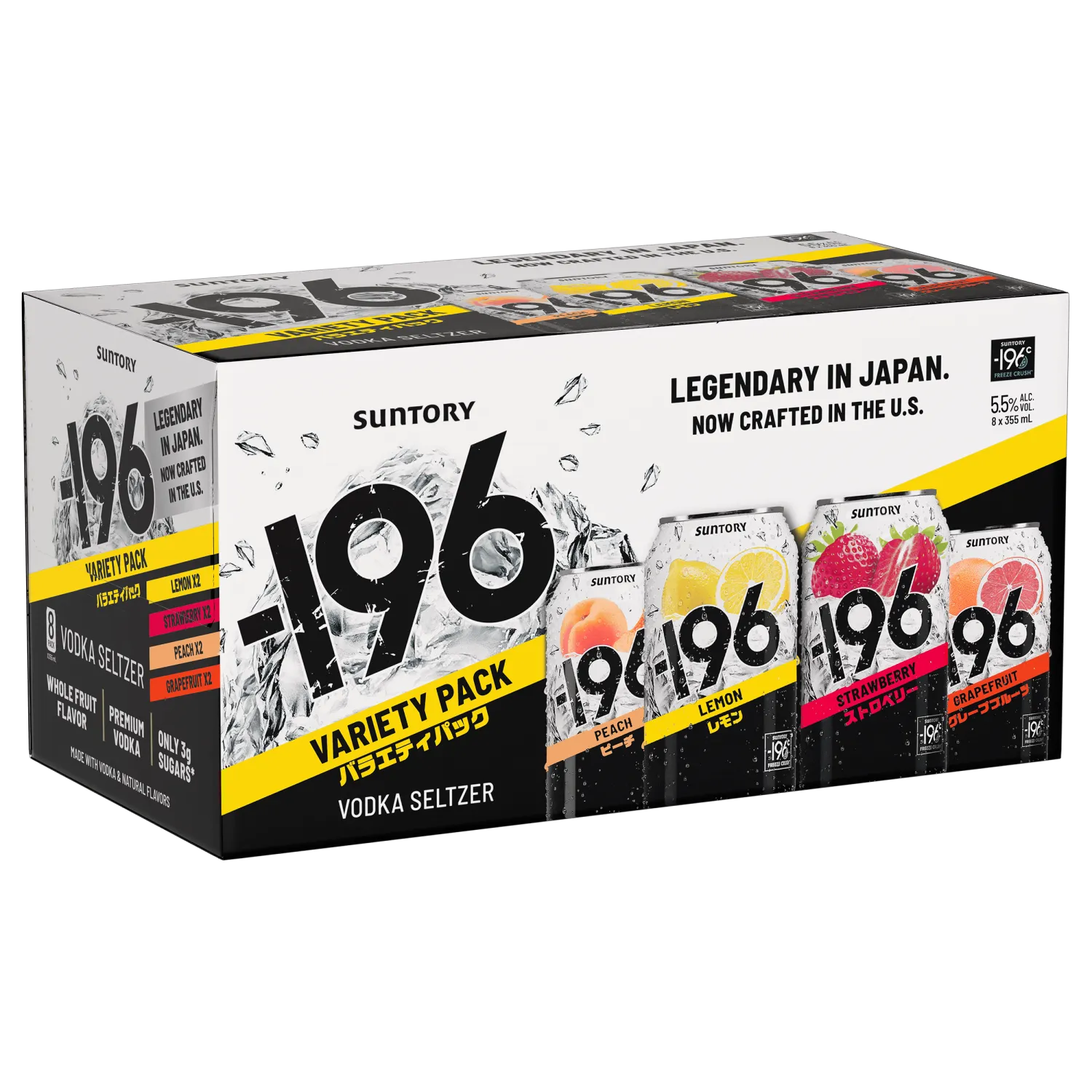
So whether your version of summer means fireworks with friends, food outside or simply finding an excuse to make an ordinary night more interesting, there's a Japanese-inspired ready-to-drink option built with exactly that kind of curiosity. It could be our classic Lemon Vodka Seltzer, or maybe the bolder -196 Strawberry & Pineapple.
Different summer. Same energy.
Bring a Little Japanese Summer Home
You don't need a plane ticket to Japan to borrow a little inspiration from Japanese summer.
You probably already have your own version of it.
A backyard cookout with friends.
Fireworks on the Fourth of July.
Food, music and a long summer night outside.
Different traditions. Different places.
Pretty similar summer energy.
So maybe the takeaway from Japanese summer isn't that you need a yukata, a festival or a bamboo waterslide in your backyard.
It's simpler than that.
Take an ordinary summer moment and make a little more of it.
Invite people over.
Put something good on the table.
Stay outside a little longer.
And if you're looking for a Japanese-inspired ready-to-drink option to bring along, that's where -196 comes in.
Born from a pretty unconventional Japanese idea. Made for wherever summer happens next.
Japan inspired it. Where you take it is up to you.
Data source